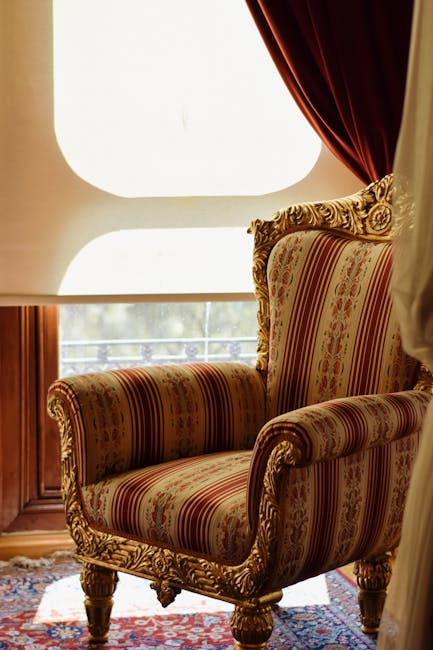
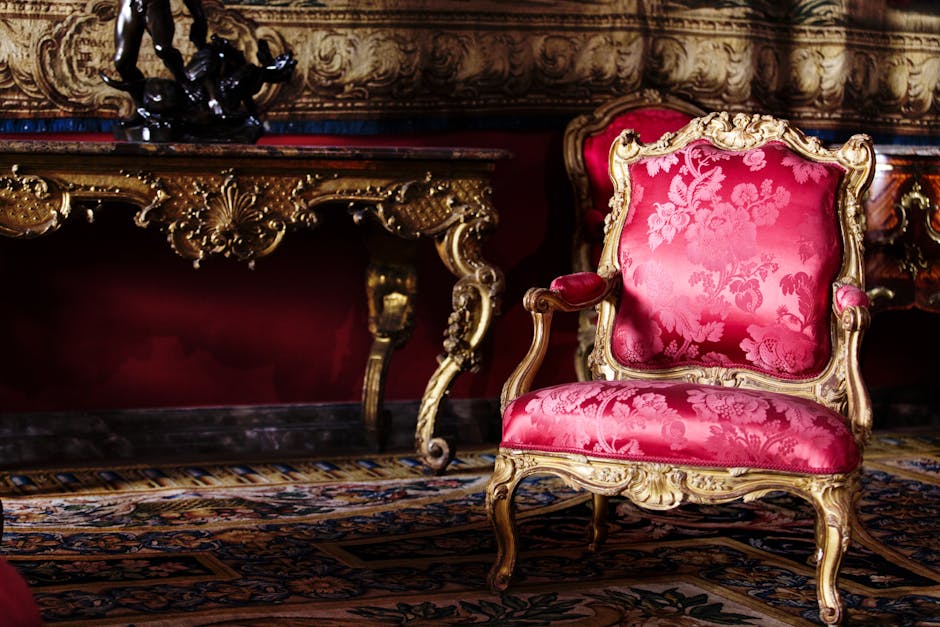
Chiswick Upholstery Cleaning for Antiques at Chiswick House
If you are looking into Chiswick upholstery cleaning for antiques at Chiswick House, you are probably dealing with more than just a tired-looking chair or a dusty canape. Antique upholstery can hold on to smoke, historic grime, old polishing residue, and everyday wear in a way that modern furniture simply does not. And at a place with the heritage feel of Chiswick House, the stakes are higher: you want cleanliness, yes, but not at the expense of fragile fabrics, hand-finished frames, or original character.
That is the balance this guide focuses on. We will look at how antique upholstery cleaning works, what makes it different from ordinary sofa cleaning, the risks to avoid, and how to judge whether a piece needs gentle surface care, specialist stain treatment, or a more cautious restorative approach. You will also find a practical checklist, a method comparison table, and a few real-world pointers that make decision-making less stressful. Truth be told, antique fabric rarely gives up its secrets quickly.
Contents
- Why Chiswick upholstery cleaning for antiques at Chiswick House Matters
- How Chiswick upholstery cleaning for antiques at Chiswick House Works
- Key Benefits and Practical Advantages
- Who This Is For and When It Makes Sense
- Step-by-Step Guidance
- Expert Tips for Better Results
- Common Mistakes to Avoid
- Tools, Resources and Recommendations
- Law, Compliance, Standards, or Best Practice
- Options, Methods, or Comparison Table
- Case Study or Real-World Example
- Practical Checklist
- Conclusion
- Frequently Asked Questions
Why Chiswick upholstery cleaning for antiques at Chiswick House Matters
Antique upholstery is not just "old furniture". It is a combination of textile, stuffing, stitching, frame, finish, and often a bit of history that has survived because someone, somewhere, cared for it properly. That is why cleaning it is never a simple matter of making it look brighter. A strong clean can extend the life of the piece. An aggressive one can flatten fibres, distort dyes, loosen seams, or leave tide marks that are hard to undo.
At a heritage property or in a setting associated with Chiswick House, the concern is even more nuanced. Antique seating may be displayed, used lightly, moved for events, or maintained as part of a wider conservation-friendly environment. Dust alone can be surprisingly abrasive over time. It settles into seams, builds up in carved edges, and works its way into delicate upholstery fibres. Left there, it slowly dulls the fabric and can make later cleaning more complicated.
There is also the matter of appearance. Antique textiles often have a softer, more muted finish than modern upholstery. If you clean them carelessly, they can end up looking patchy or "over-cleaned", which is not the same thing as fresh. The best result is usually the one that respects the age of the item. Clean, but still believable. Neat, but not stripped of its patina.
If you already care about the broader condition of your property, you may also find it useful to think of upholstery care alongside deep cleaning and domestic cleaning approaches, because the surrounding environment plays a big part in how quickly antique pieces re-soil.
How Chiswick upholstery cleaning for antiques at Chiswick House Works
Good antique upholstery cleaning starts with assessment, not equipment. That is the bit people sometimes skip, and it is where trouble begins. You need to identify the fibre type, backing, weave density, age, and any visible damage before a single drop of solution is applied. A Victorian damask, a needlepoint seat, and a later reupholstered armchair all need different handling. Same room, different rules.
The process usually begins with dry soil removal. This may involve careful vacuuming using controlled suction and a soft upholstery attachment. The point is to lift grit and loose dust without pulling at loose threads or abrading the pile. Then comes spot testing. Any cleaning agent should be tested on a hidden section first, because antique dyes can be unstable, and what looks harmless can still shift colour. That sounds cautious because it is cautious.
After that, the method depends on the item. Some antiques respond best to low-moisture cleaning, where light surface soiling is handled without saturating the fabric. Others may need selective stain treatment around spills, armrests, or head contact areas. A small number of robust, later-restored pieces can tolerate a more thorough process, but even then, it is better to work gradually. Slow and careful beats fast and sorry.
Specialists will also think about drying. Antique upholstery does not like to stay damp. Excess moisture can stain, swell natural fibres, affect padding, or create odour issues. In a practical sense, this means air movement, measured application, and sometimes multiple passes of minimal moisture rather than one heavy clean. If a fabric smells clean but feels clammy afterwards, that is not a victory.
In some broader property-cleaning situations, teams may combine upholstery care with rug cleaning or carpet cleaning so that dust and residues are reduced throughout the room, not just on the furniture itself. That helps the finished result feel coherent rather than half-done.
Key Benefits and Practical Advantages
The obvious benefit is a better-looking piece of furniture. But with antiques, the practical advantages run deeper than a visual refresh.
- Preservation of original materials: Gentle cleaning can reduce the build-up of abrasive dust that wears fibres down over time.
- Better indoor air quality: Older upholstery can hold dust and odours, especially in less frequently used rooms.
- Improved presentation: If the furniture is used for entertaining, staging, or display, a cleaner finish makes the whole room feel more considered.
- Reduced risk of sudden deterioration: Dirt, spills, and damp residues can accelerate damage if they are left to sit.
- More confident use: Owners are often more relaxed using a cared-for antique piece if it no longer feels "too precious to touch".
There is another benefit that matters in heritage settings: continuity. A well-cleaned antique should still look like itself. Not shiny. Not flat. Just well kept. That's the sweet spot.
Expert summary: with antique upholstery, the goal is not a dramatic transformation. It is controlled improvement - enough to remove dirt and staining where possible, while leaving the age, texture, and character intact.
For properties that need ongoing care, upholstery cleaning also fits neatly alongside services such as one-off cleaning and deep cleaning, especially when preparing rooms for guests, events, or seasonal refreshes.
Who This Is For and When It Makes Sense
This kind of cleaning is most relevant for anyone responsible for antique or period upholstery, whether that means a private owner, a curator, a property manager, or a housekeeper looking after a carefully furnished room. It is also sensible if you have inherited an antique chair or sofa and you are not entirely sure what the previous owners did to it. Sometimes you can tell a lot by smell, sadly.
You may need specialist care if:
- the piece has silk, velvet, damask, horsehair, wool, or mixed natural fibres;
- the upholstery is visibly dusty, dull, or lightly stained;
- there are signs of historic smoke or storage odour;
- the frame or fabric appears loose, sagging, or fragile;
- the item is used in a formal room and needs careful presentation;
- the furnishing has conservation value, even if it is still in daily use.
It makes less sense to push for a heavy clean if the fabric is already badly degraded, heavily water-marked, or actively splitting. In those cases, preservation-first care may mean minimal intervention and advice from a conservator or upholstery specialist. Sometimes less really is more. Bit annoying, but true.
Commercial and hospitality settings can also benefit from this service when antique pieces are part of reception areas, reading rooms, or heritage interiors. If you are balancing multiple cleaning needs across a property, it can help to think in terms of scheduled care rather than crisis cleaning. That often means pairing upholstery work with office cleaning or window cleaning in occupied spaces where overall presentation matters.
Step-by-Step Guidance
If you are approaching antique upholstery care for the first time, the following sequence is the safest way to think about it.
- Identify the piece. Note the fabric type, visible wear, age indicators, and any past repairs. If you do not know the materials, assume caution.
- Inspect for instability. Look for loose seams, delicate trim, lifting braid, frayed edges, sagging webbing, or any sign of insect or moisture damage.
- Remove dry dust first. Use careful vacuuming with low suction and a clean attachment. This is the part many people rush, and then wonder why the finish still looks tired.
- Patch test any treatment. Check a hidden area for colour transfer, fibre distortion, or surface change.
- Treat stains selectively. Work from the outside of a mark inward. Do not flood the area.
- Control moisture. Use as little liquid as needed. Blot, do not scrub.
- Allow safe drying. Keep air moving and avoid heat blasts. Overheating can be just as troublesome as damp.
- Review the result. Check seams, nap, and colour uniformity once dry. A piece can look fine while damp and then show problems later.
A useful rule of thumb: if a stain has already set deeply into antique fabric, repeated aggressive cleaning attempts are more likely to spread it than remove it. The cleaner the method, the better the odds of a decent result.
Expert Tips for Better Results
A few small habits make a big difference with antique upholstery. None of them are flashy, which is exactly why they work.
- Start with the least invasive method. Always. If the piece responds well to a light approach, stop there.
- Work in good daylight where possible. Artificial light can hide residue, tide marks, or uneven drying. Morning light by a window can reveal a surprising amount.
- Keep notes on each piece. Which areas were treated, what reacted well, what stayed sensitive. It saves time next visit.
- Use clean cloths every time. Reusing a dirty cloth can just move grime around.
- Watch for hidden damage. Dirt often conceals wear. Once the surface is cleaned, weak seams or threadbare patches may become more obvious.
- Protect the surroundings. Old upholstery cleaning is neater when the room is prepared properly, especially around polished floors or delicate finishes. If needed, broader property care such as hard floor cleaning can be planned separately to keep everything in balance.
One small but important point: antique furniture often dries unevenly if placed too close to a radiator or sunlit window. Gentle airflow is your friend. Heat is not, at least not in any useful sense.
If the piece has decorative fringes, braid, or embroidery, take extra time around edges. Those details are usually the first to snag and the last to forgive you.
Common Mistakes to Avoid
Most of the bad outcomes with antique upholstery cleaning come from good intentions carried too far. That is the awkward truth.
- Using too much water: This can create rings, swell padding, or leave lingering damp odours.
- Scrubbing a stain: Scrubbing can distort fibres and push the mark deeper.
- Skipping a test patch: Antique dyes can surprise you, and not pleasantly.
- Using generic household cleaners: Many are too harsh, too alkaline, or too fragranced for fragile fabrics.
- Cleaning without inspecting the structure: If the fabric is loose or the stitching weak, cleaning first can worsen the damage.
- Over-drying with heat: Fast drying sounds efficient, but it can harden fibres or create shrinkage in vulnerable materials.
- Ignoring smell after cleaning: A clean surface with a musty underlay may signal trapped moisture inside the filling.
Let's face it, a quick win on day one can become a costly repair by day seven. That is why antique work tends to favour patience and restraint. A bit boring, yes. Also very sensible.
Tools, Resources and Recommendations
You do not need an enormous toolkit for careful antique upholstery care, but you do need the right sort of equipment. Less is more, but only if the "less" is competent.
Useful tools and materials
- soft upholstery vacuum attachment;
- microfibre cloths that are clean and lint-light;
- white cotton cloths for blotting and patch testing;
- small soft brushes for dry dust in seams;
- measured, fabric-safe cleaning solutions;
- fans or gentle airflow for drying;
- protective covers for nearby surfaces and flooring.
Helpful service pairings
If the antiques are part of a room that also needs a wider refresh, it can make sense to combine upholstery work with other focused cleaning services rather than trying to solve everything in one heavy visit. Depending on the space, that may include rug cleaning, window cleaning, or even one-off cleaning for a broader reset.
For people planning ongoing upkeep, it is also wise to review practical pages such as insurance and safety and health and safety policy. Those pages are useful because antique care is not only about fabric; it is also about managing risk responsibly around fragile interiors, ladders, equipment, and visitors.
Law, Compliance, Standards, or Best Practice
When antique upholstery is involved, the key point is not a single legal threshold. It is the standard of care. In the UK, property owners and contractors are generally expected to work safely, avoid unnecessary damage, and use suitable methods for the task in hand. That becomes especially important where heritage materials, public access, or insured items are concerned.
For practical purposes, best practice usually means:
- carrying out a careful inspection before work begins;
- using methods appropriate to the textile and condition;
- recording visible pre-existing damage;
- working in a way that avoids avoidable moisture, heat, or abrasion;
- maintaining sensible safety measures around equipment, cords, and wet areas;
- checking that any provider has a clear complaints process and transparent terms.
If you are arranging cleaning in a property with public access or valuable contents, ask how the work will be handled, what is excluded, and what happens if the fabric reacts badly. That is not being awkward; it is just good housekeeping. You may also want to review terms and conditions and complaints procedure before booking, especially when antiques are involved and expectations need to be absolutely clear.
There is also a sustainability angle. Older upholstery often has a longer life than people realise, and extending that life through careful cleaning is usually better than replacing it too soon. If that matters to you, recycling and sustainability is worth reading in parallel with any broader refresh plans.
Options, Methods, or Comparison Table
There is no single "best" method for every antique. The right choice depends on the fabric, condition, and how much risk you are willing to accept. Here is a simple comparison to help.
| Method | Best for | Pros | Watch-outs |
|---|---|---|---|
| Dry vacuum detailing | Routine dust removal and maintenance | Very low risk, useful as a first step | Will not remove deep staining |
| Low-moisture surface cleaning | Delicate antiques with light soiling | Gentle, controlled, less drying time | May not fully shift heavy marks |
| Targeted stain treatment | Specific spill or contact marks | Focused action on problem areas | Needs careful patch testing and restraint |
| Full restorative cleaning | More robust pieces or later reupholstered items | More thorough visible improvement | Higher risk on fragile fabrics; not always suitable |
In plain English: if the item is rare, fragile, or emotionally important, start at the top of the table and move downward only if the fabric allows it. Not the other way round. That sounds obvious, but people do try the other way round, and then call it "a learning experience".
Case Study or Real-World Example
Imagine a pair of antique side chairs used in a formal sitting room near Chiswick House. They look fine at a distance, but in daylight you can see a faint grey build-up on the arms, a mild musty smell after rain, and a few dark contact marks where hands naturally rest. The owner wants them cleaned before a small gathering, but is worried about damaging the original fabric.
A careful approach would begin with dry extraction and seam cleaning, then a hidden patch test on the back skirt. One chair might respond well to a gentle low-moisture clean, while the other shows slight dye sensitivity and is better left to a lighter treatment. The result is not dramatic in the before-and-after sense. But the room smells fresher, the chairs look cared for, and the fabric still reads as authentic rather than over-restored.
That is the real win. Not a makeover. A respectful improvement.
In a slightly different setting, perhaps a historic property that also needs broader housekeeping, the upholstery work may be grouped with domestic cleaning or deep cleaning for the surrounding rooms, so dust and debris do not undo the benefit within a week.
Practical Checklist
Use this before arranging or carrying out antique upholstery cleaning.
- Identify the fabric type if possible.
- Check for loose seams, tears, or previous repairs.
- Look for fading, dye instability, or powdery finishes.
- Decide whether the item needs light maintenance or specialist attention.
- Vacuum gently with a soft attachment first.
- Test any cleaning product on a hidden area.
- Use only the smallest amount of moisture needed.
- Blot, do not scrub.
- Allow full drying with gentle airflow.
- Inspect again once the piece is dry.
- Record any unusual reaction or residue.
- Plan future upkeep so dirt does not build up again.
If you can tick most of those boxes, you are already ahead of the game. Seriously.
Conclusion
Chiswick upholstery cleaning for antiques at Chiswick House is really about respect as much as cleanliness. Respect for age, for craftsmanship, for the risks that fragile fabric carries, and for the fact that not every mark needs a dramatic intervention. The best results usually come from measured, thoughtful care: check first, clean gently, dry properly, and stop when the piece looks restored rather than reset.
If you are dealing with a treasured chair, an inherited sofa, or a period room that needs careful presentation, take your time and choose methods that match the item, not just the problem. That approach tends to save both money and heartache. And yes, a little patience goes a long way here.
Get a free quote today and see how much you can save.
When antique upholstery is handled well, the room feels calmer, the furniture feels loved, and the history in it can keep speaking quietly for years to come.
Frequently Asked Questions
Can antique upholstery be cleaned safely?
Yes, often it can, but the method has to match the fabric and condition. The safest approach usually begins with dry dust removal, patch testing, and low-moisture treatment only if the textile can tolerate it.
What makes antique upholstery different from regular sofa cleaning?
Antique pieces may use older textiles, natural fillings, fragile stitching, and unstable dyes. Regular sofa cleaning often assumes tougher construction, which can be too aggressive for a heritage piece.
How do I know if my antique chair needs specialist cleaning?
If it has visible staining, lingering odour, heavy dust, loose seams, or unknown fabric composition, specialist care is usually the safer choice. If you are unsure, cautious inspection is better than guesswork.
Will cleaning remove all stains from antique fabric?
Not always. Some stains are permanent, and some are best left partly visible rather than risk spreading them. The aim is usually improvement and preservation, not perfection at any cost.
Is steam cleaning suitable for antiques?
Usually not as a first choice. Steam can introduce too much heat and moisture for delicate textiles, especially if the item is old or the fabric is dye-sensitive.
How long does antique upholstery take to dry?
Drying time depends on the fabric, method, airflow, and room conditions. Low-moisture cleaning dries faster, while heavier treatment can take much longer. The important thing is to let it dry fully before use.
Can antique upholstery cleaning damage the furniture?
It can if the method is wrong. That is why inspection, testing, and restraint matter so much. Gentle cleaning is designed to reduce risk, not increase it.
Should I vacuum antique upholstery at home?
Yes, but carefully. Use a soft attachment, low suction where possible, and avoid tugging on loose trim or fragile areas. If the fabric is exceptionally delicate, even vacuuming should be approached cautiously.
What should I ask before booking a cleaner for antiques?
Ask how they assess the fabric, whether they patch test, how they handle fragile seams, what products they use, and what happens if the textile reacts badly. Clear answers matter more than flashy promises.
Can antique upholstery cleaning be combined with other property cleaning work?
Yes, but it is usually better to plan the order carefully. Dustier work like floor or room cleaning should not undo the upholstery result, so sequencing matters more than doing everything at once.
How often should antique upholstery be cleaned?
There is no single schedule. It depends on use, room conditions, dust levels, and the fabric itself. Light maintenance is often better than waiting until the piece is visibly dirty.
Is it worth cleaning antiques if they are only for display?
Usually yes. Even display pieces collect dust, and that dust can be surprisingly abrasive over time. Gentle maintenance helps protect them, even when nobody is sitting on them.
Where should I start if I am nervous about damaging an old piece?
Start with a close inspection and a small patch test. If the piece seems unstable, stop and seek advice before applying any liquid. A careful pause now can prevent a costly mistake later.